




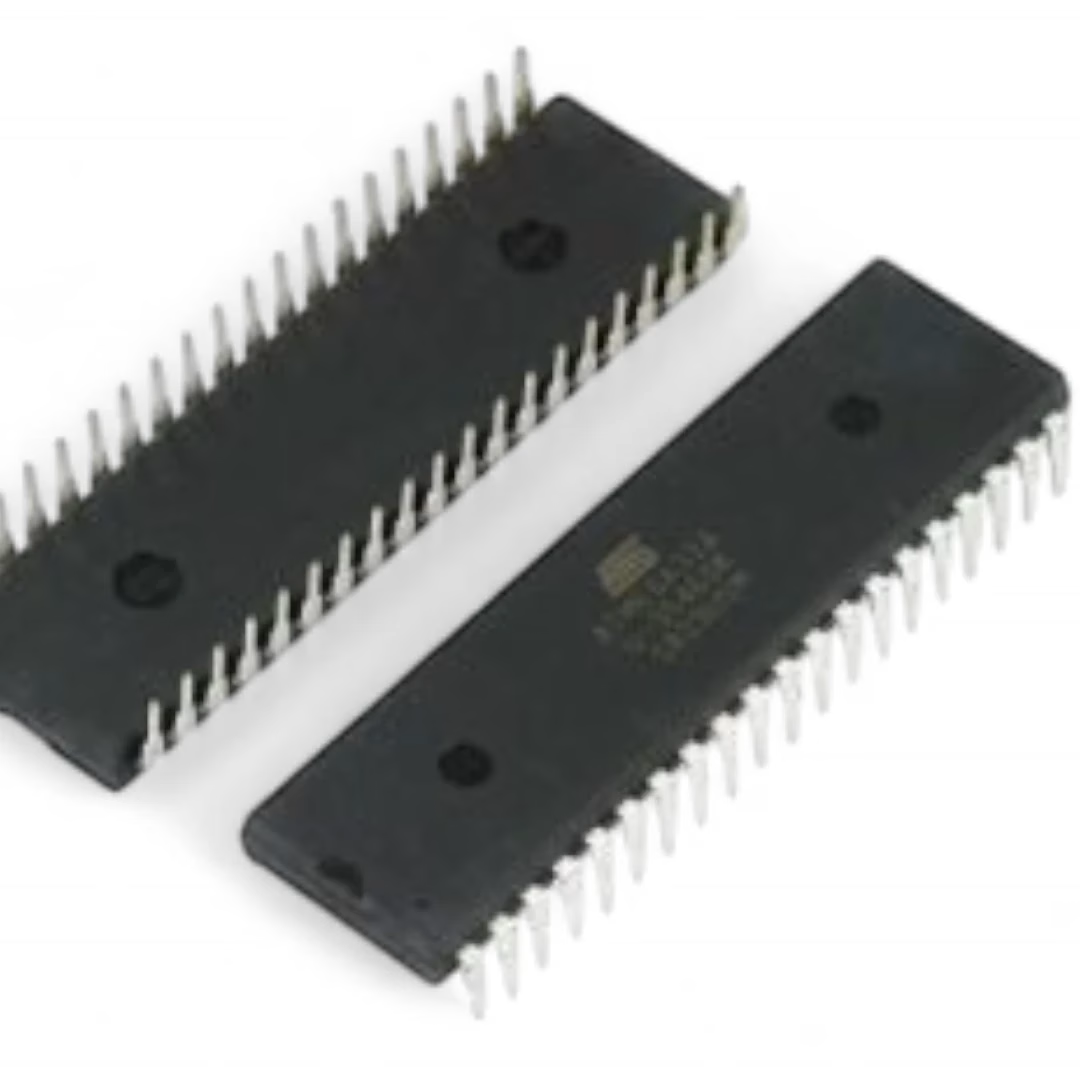
ATMEGA32A-U
Original price was: 350,00 EGP.330,00 EGPCurrent price is: 330,00 EGP.
دائرة ATMEGA32A متحكم دقيق AVR ثماني البت (مايكروتشيب/أتميل) بذاكرة برنامج فلاش 32 كيلوبايت، 2 كيلوبايت SRAM، و1 كيلوبايت EEPROM، بيشتغل حتى 16 ميجاهرتز. | The ATMEGA32A is an 8-bit AVR microcontroller (Microchip/Atmel) with 32KB of flash program memory, 2KB SRAM, and 1KB EEPROM, running at up to 16MHz.
ATMEGA32A-U AVR Microcontroller
The ATMEGA32A is an 8-bit AVR microcontroller (Microchip/Atmel) with 32KB of flash program memory, 2KB SRAM, and 1KB EEPROM, running at up to 16MHz.
ATMEGA32A – How It Works
It offers more I/O pins (32) and peripherals than the smaller ATmega328 (used in Arduino Uno), including two 8-bit and one 16-bit timer, a 10-bit ADC with 8 channels, and a JTAG interface for hardware debugging — making it a step up for projects that outgrow a basic Arduino’s pin count.
It can be programmed using the Arduino IDE with the right board definition installed, letting makers who’ve outgrown an Uno’s pin count stay in a familiar development environment.
Key Features
- 32KB flash, 2KB SRAM, 1KB EEPROM
- 40-pin package with 32 I/O pins
- JTAG debug interface, 10-bit 8-channel ADC
Typical Applications
- Mid-range embedded control projects
- Robotics and multi-sensor systems
- Custom PCB designs beyond basic Arduino needs
Datasheet Specifications
- Flash: 32KB, SRAM: 2KB, EEPROM: 1KB
- Clock: up to 16MHz
- Package: 40-pin PDIP (or TQFP/MLF variants)
For more background, see AVR microcontroller family: reference. Browse our full range of ICs and microcontrollers.
ATMEGA32A-U AVR Microcontroller
دائرة ATMEGA32A متحكم دقيق AVR ثماني البت (مايكروتشيب/أتميل) بذاكرة برنامج فلاش 32 كيلوبايت، 2 كيلوبايت SRAM، و1 كيلوبايت EEPROM، بيشتغل حتى 16 ميجاهرتز.
ATMEGA32A – إزاي شغالة
بتوفر أطراف I/O أكتر (32) وأجهزة طرفية أكتر من ATmega328 الأصغر (المستخدمة في Arduino Uno)، بما فيهم مؤقتين 8 بت ومؤقت 16 بت، ADC بـ10 بت و8 قنوات، وواجهة JTAG لعمل Debug هاردوير — وده بيخليها خطوة أعلى للمشاريع اللي بتكبر عن عدد أطراف أردوينو أساسي.
تقدر تتبرمج باستخدام Arduino IDE لو ثبّت تعريف البورد الصح، وده بيخلي الهواة اللي كبروا عن عدد أطراف الـUno يفضلوا في بيئة تطوير مألوفة.
المواصفات الأساسية
- 32 كيلوبايت فلاش، 2 كيلوبايت SRAM، 1 كيلوبايت EEPROM
- تغليفة 40 رجل بـ32 طرف I/O
- واجهة Debug من نوع JTAG، ADC بـ10 بت و8 قنوات
الاستخدامات
- مشاريع تحكم مدمج متوسطة المستوى
- أنظمة روبوتات وحساسات متعددة
- تصميمات PCB مخصصة تتجاوز احتياجات أردوينو الأساسية
المواصفات الفنية
- فلاش: 32 كيلوبايت، SRAM: 2 كيلوبايت، EEPROM: 1 كيلوبايت
- الساعة: حتى 16 ميجاهرتز
- التغليف: PDIP بـ40 رجل (أو نسخ TQFP/MLF)
لمزيد من التفاصيل التقنية راجع عائلة AVR على ويكيبيديا، وتصفح باقي الدوائر المتكاملة والمتحكمات المتوفرة عندنا.
منتجات مشابهة


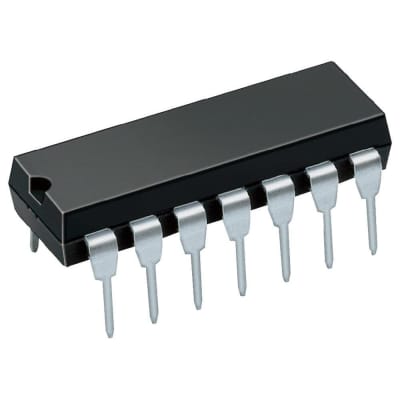


4026 Decade Counter/Divider
متوفر


7442 BCD to Decimal Decoder
متوفر

7448 BCD to 7-Segment Decoder Driver
متوفر
7474 D-type Flip Flop Counter or Delay Flip-flop
متوفر
7483 4-Bit Binary FULL ADDER With Fast Carry
متوفر
7486 Quad 2-Input Exclusive-OR Gate
متوفر

7490 Decade Counter
متوفر
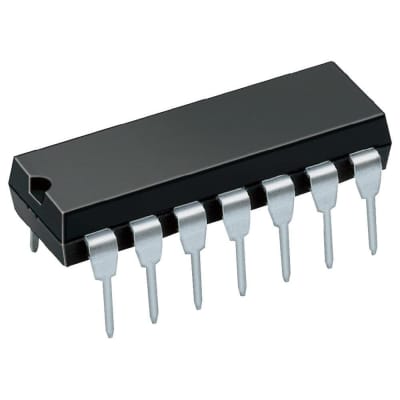

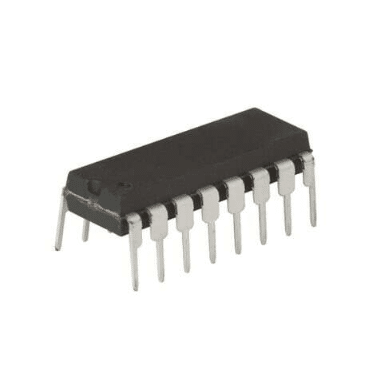
74138 smd LOGIC GATE
متوفر







Dual USB 5V 2.4A Micro/Type-C USB Power Bank 18650 Charging Module with IP5407 IC
مش متوفر





LM324 Operational Amplifier
متوفر









الآراء
Clear filtersلسه مفيش تقييمات.