




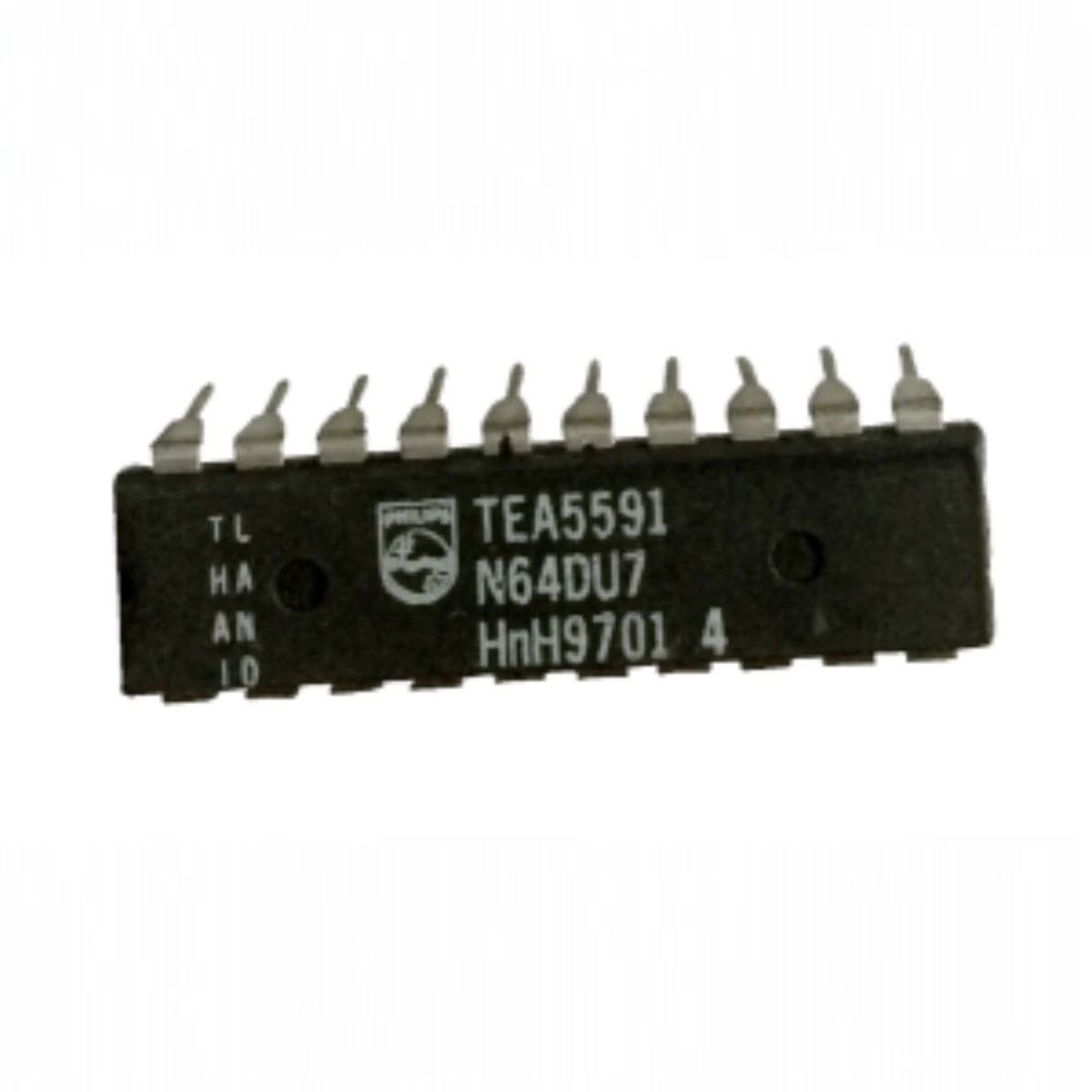

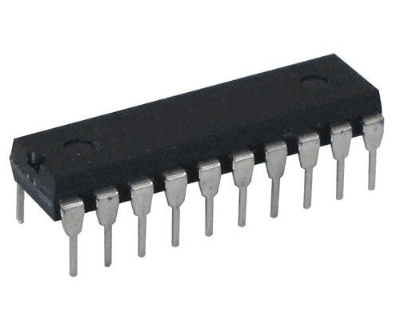
TEA5591 AM/FM radio receiver circuit
181,50 EGP
شريحة إلكترونية TEA5591 مناسبة للصيانة والتجارب عند الحاجة لنفس رقم الموديل.
TEA5591 Radio IC Overview
The TEA5591 Radio IC gives electronics technicians a product-specific integrated circuit for repair, testing and circuit building. It is useful when the board design requires the same model code or a closely matched function from the original circuit.
Moreover, this product works well for customers who want a clear component listing before ordering from Electrolik. Therefore, the page focuses on the real product name, the visible model and the category instead of adding unconfirmed technical claims.
TEA5591 Radio IC Features
- Practical IC for electronics repair and prototyping
- Model code makes identification easier before purchase
- Useful for audio, TV, radio, control or logic boards depending on function
- Suitable for workshops, labs and educational projects
Specifications
| Product name | TEA5591 AM/FM radio receiver circuit |
| Model / code | TEA5591 |
| Component type | Radio / tuner circuit |
Applications
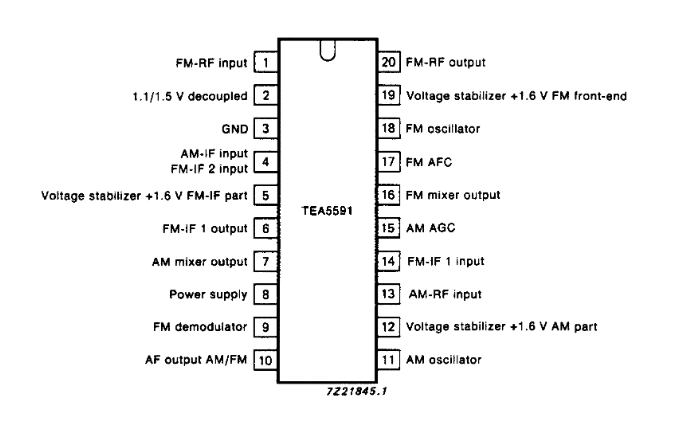
Use it when the circuit documentation, board marking or service manual asks for the same IC code. Moreover, confirm the package, pinout and supply requirements from the datasheet before installation. This careful check avoids wrong replacements and protects the surrounding components.
Usage Notes
In addition, the product title gives the most reliable known details, so the description avoids unsupported specifications. As a result, you can compare the part by model, category and application without relying on guessed values. Also, keep the component away from heat, mechanical stress and reverse wiring during testing. For best results, inspect the board pads, clean the contacts and test the circuit gradually after installation.
For related items, browse the relevant Electrolik category. For general background, you can also read more on Wikipedia.
شرح عربي مختصر
شريحة إلكترونية مناسبة للصيانة والتجارب عندما تحتاج نفس رقم الموديل أو نفس الوظيفة الموجودة في الدائرة الأصلية. راجع الداتا شيت وترتيب الأطراف قبل اللحام، لأن اختلاف بسيط في الباكج أو التوصيل قد يسبب عطل جديد.
ملاحظات الاستخدام
- تأكد من رقم الموديل قبل الشراء.
- راجع الداتا شيت أو الدائرة الأصلية عند الاستبدال.
- اختبر التوصيل تدريجيًا بعد التركيب.
- استخدمه داخل حدود الدائرة المناسبة فقط.
محتويات العبوة
قطعة واحدة من TEA5591 AM/FM radio receiver circuit حسب الاختيار المتاح في صفحة المنتج.
Related products



Reviews
Clear filtersThere are no reviews yet.