



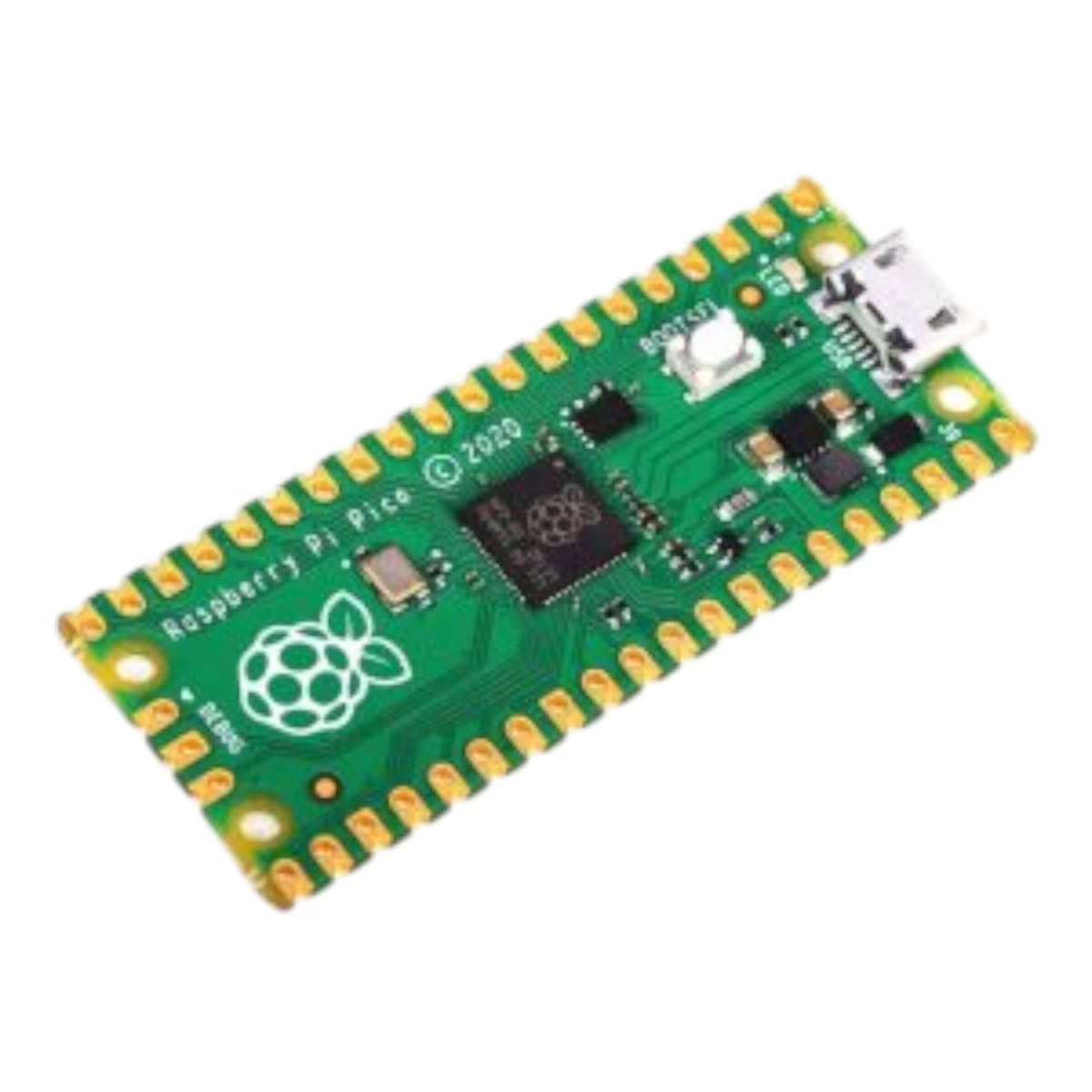
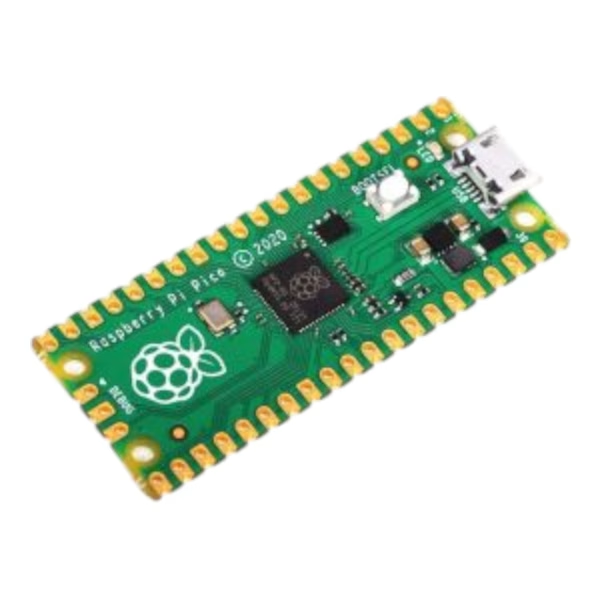
Raspberry Pi Pico
660,00 EGP
لوحة تطوير متحكم دقيق تُستخدم لبناء مشاريع إلكترونية متصلة بالإنترنت (IoT) ومشاريع WiFi المدمجة. | a microcontroller development board for building embedded, IoT, and Wi-Fi connected electronic projects.
Out of stock
Raspberry Pi Pico
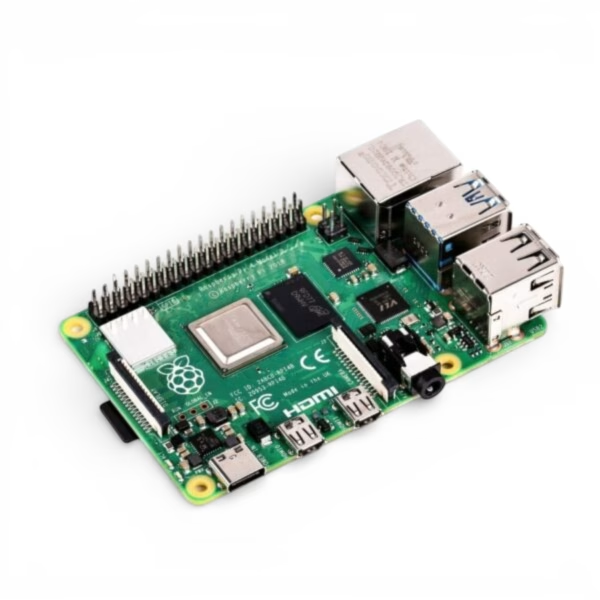
Meet the Raspberry Pi Pico. This board is built for single-board computers based on the Raspberry Pi platform. People use it for hobby electronics, education and finished project builds. As a result, it gives a reliable starting point for your next build.
Because it works with the wider maker ecosystem, you can find tutorials, libraries and community support to speed up your project.
Key Features
- Type: Board
- Compatible with common maker/development tools
- Condition: New, tested for basic function before shipping
Applications
You can use this in several setups. For example:
- Home automation and IoT projects
- Media centers and retro gaming
- Robotics and computer vision
- Learning Linux and programming
Handling & Safety
Always power the board within its rated voltage range. Avoid touching the board’s components while it is powered, and keep it away from moisture and static discharge during handling. These steps protect the board from damage.
Why Choose This Board
First, it is widely supported by the maker and open-source community, so documentation and example projects are easy to find. Second, it works with common development tools, so you can get started quickly. Third, our team checks basic function before it ships. So, you avoid guesswork when you order. As a result, this is a dependable choice for learning, prototyping or building a finished project.
Getting Started
Before your first upload, install the correct drivers or board package for your operating system. Therefore, your computer recognizes the board right away. Also, start with a simple test sketch or example to confirm everything works before moving to a bigger project. In addition, keep your wiring neat and double-check pin connections before powering up. As a result, you avoid most beginner mistakes and get to a working project faster.
Looking for more boards, modules or accessories? Browse our full range of Arduino and development boards for your next project.
Raspberry Pi Pico
Raspberry Pi Pico بورد مخصص لـ أجهزة كمبيوتر أحادية اللوحة من فئة Raspberry Pi. يُستخدم في مشاريع الإلكترونيات التعليمية والهواية وبناء المشاريع المتكاملة.
المميزات
- النوع: بورد
- متوافق مع أدوات التطوير الشائعة
- الحالة: جديد، تم اختبار وظيفته الأساسية قبل الشحن
الاستخدامات
- مشاريع أتمتة المنزل وإنترنت الأشياء
- مراكز الوسائط والألعاب الكلاسيكية
- الروبوتات والرؤية الحاسوبية
- تعلم اللينكس والبرمجة
ملاحظات الأمان
شغّل البورد دايمًا في حدود الجهد المقنن ليه. تجنب لمس مكونات البورد وهو شغال، وخليه بعيد عن الرطوبة والشحنات الساكنة أثناء التعامل معاه. هذه الخطوات بتحمي البورد من التلف.
ليه تختار بورد ده
أولاً، مدعوم بشكل واسع من مجتمع الصناع والمصادر المفتوحة، فتلاقي شروحات وأمثلة كتير بسهولة. ثانيًا، بيشتغل مع أدوات التطوير الشائعة، فتقدر تبدأ بسرعة. ثالثًا، بنتأكد من الوظيفة الأساسية قبل الشحن. فهو اختيار موثوق للتعلم أو التجربة أو بناء مشروع متكامل.
تقدر تستعرض باقي بورودات أردوينو والتطوير عندنا لمشروعك القادم.
Related products

Arduino Uno R3 CH340 SMD with cable
In stock

Arduino UNO DIP ( without cable )
In stock
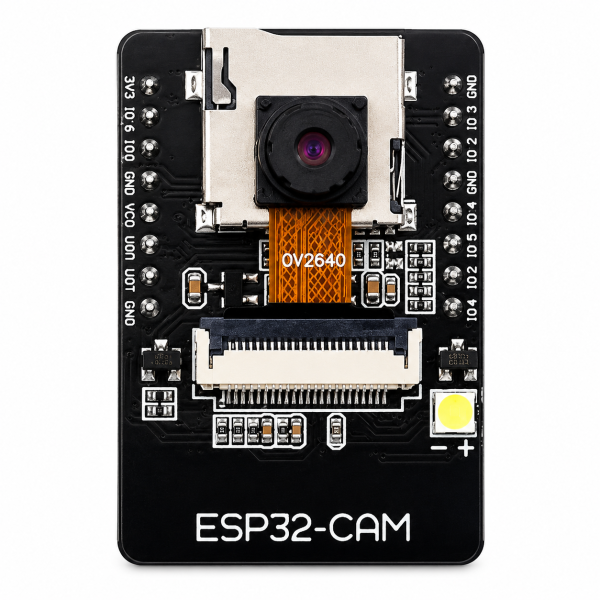
ESP32-CAM OV2640
In stock


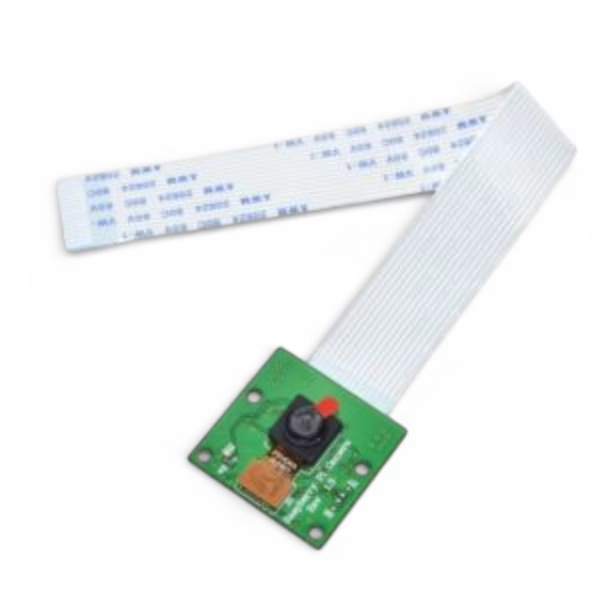
Raspberry Pi Camera 5mp Pixels
In stock




Case for Arduino UNO R3 (mdf)
In stock

Arduino MEGA2560 Acrylic Case
In stock

PL2303 USB TTL Converter Module
In stock

3.3V Adapter Board for NRF24L01 Module
In stock


NRF24L01 Wireless Module With Antenna
In stock
NRF24L01+ 2.4GHz RF Transceiver Module
In stock











TDA2549 I.F. amplifier and demodulator for multistandard TV receivers
In stock




Reviews
Clear filtersThere are no reviews yet.