




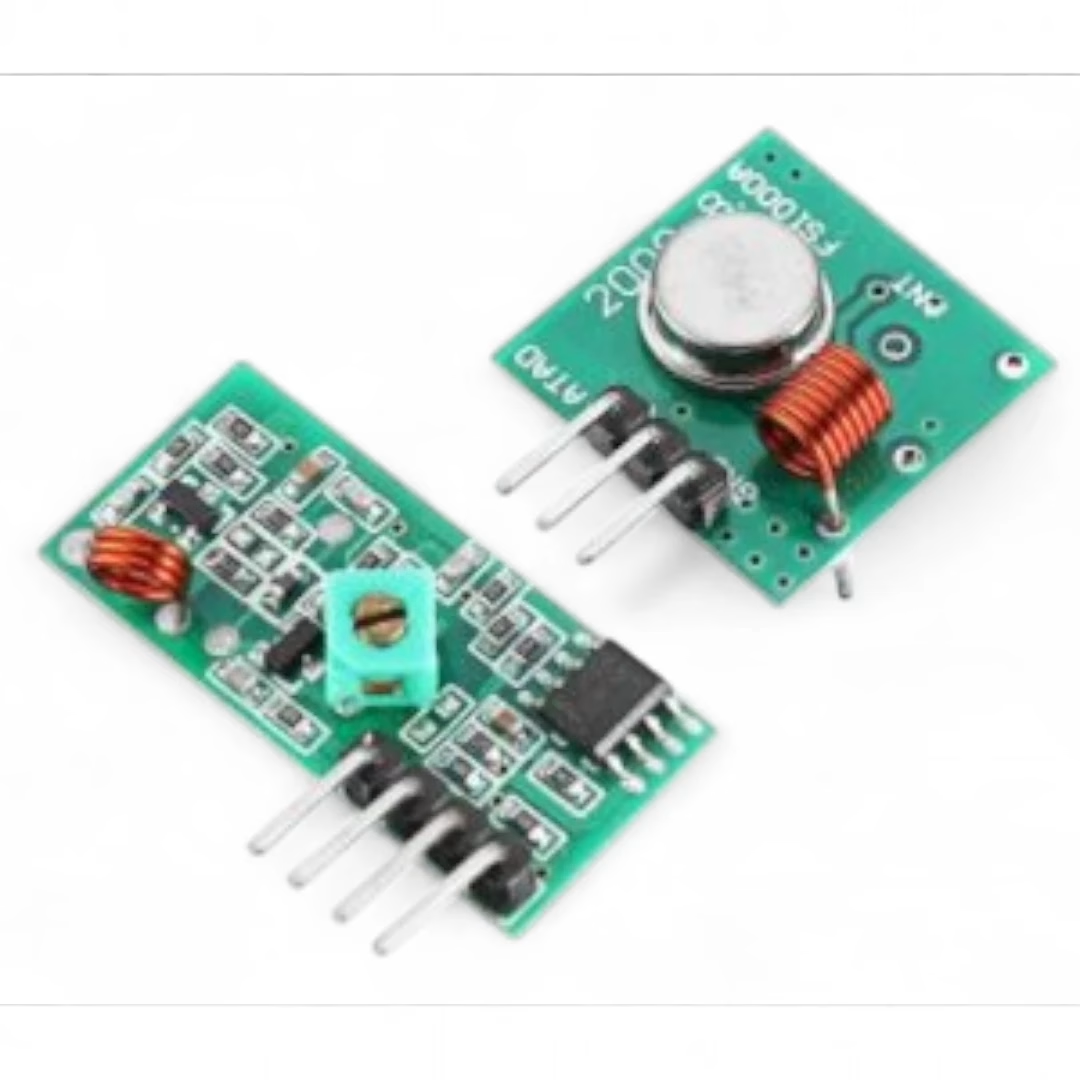
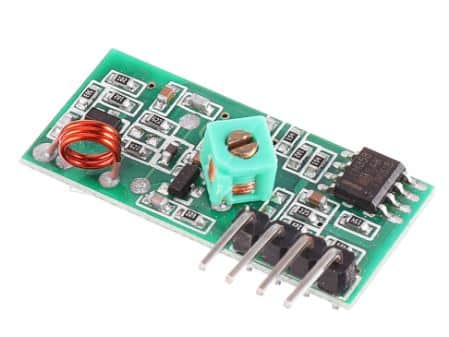
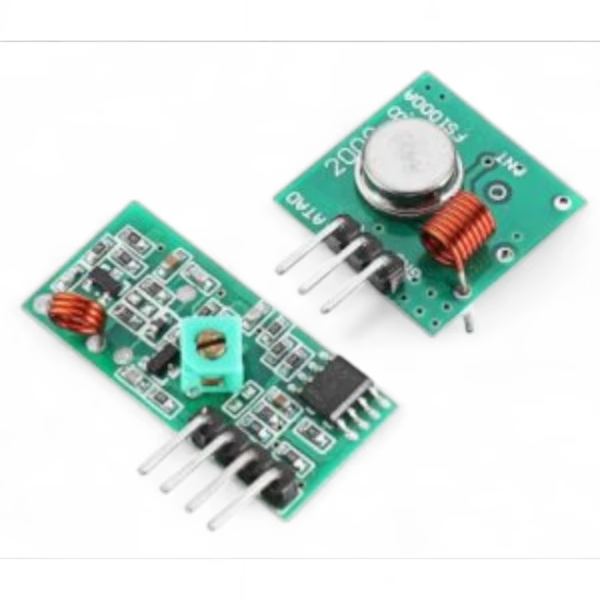
Wireless RF Kit 433Mhz Transmitter+Receiver
55,00 EGP
Wireless RF Kit 433Mhz Transmitter+Receiver — وحدة اتصال لاسلكي (بلوتوث/واي فاي) تُستخدم لإضافة اتصال لاسلكي لمشاريع IoT والأنظمة المدمجة. | Wireless RF Kit 433Mhz Transmitter+Receiver — a Bluetooth/Wi-Fi wireless module for adding wireless communication to embedded and IoT projects.
Wireless RF Kit 433Mhz Transmitter+Receiver
Integration Notes
Give the module a clean, adequately sized power supply, because brownouts during transmission bursts are the most common cause of a wireless module that connects intermittently or resets unexpectedly. A local decoupling capacitor close to the module solves a surprising number of these problems.
Keep the antenna area clear of ground planes, metal enclosures, and dense wiring, since range depends far more on antenna placement than on the module itself. Confirm the logic voltage the module expects before wiring it to a controller, as many wireless modules run at 3.3V and are not tolerant of 5V signals.
Before You Order
Compare the specification listed here against the requirement you actually have, rather than against a similar product you have used before, because closely related variants of the same part often differ in one detail that matters. Voltage, size, connector type, and rated capacity are the four that most often catch people out.
If this item is going into something you depend on, it is worth ordering a spare at the same time, since the cost of a second unit is usually small next to the downtime of waiting for another delivery. Keep the packaging and any documentation until you have confirmed the part works in its intended place.
Practical Notes
Check the stated rating and specification on this listing against what your own setup actually requires before ordering, because the most common cause of a returned part is a mismatch that was visible in the specification all along. Where a part is going into something that matters, confirming the numbers first costs nothing.
Store the item in a dry place away from extreme heat, and keep any original packaging or documentation that came with it. For anything with connectors or moving parts, a quick visual check before installation catches shipping damage at the point where it is still easy to deal with.
مجموعة لاسلكية RF Kit 433Mhz (المرسل + المستقبل)
مجموعة Wireless RF Kit 433Mhz Transmitter + Receiver هي حل مثالي للاتصال اللاسلكي بين الأنظمة الإلكترونية مثل Arduino و ARM MCU. تتيح هذه المجموعة نقل واستقبال الإشارات اللاسلكية بسهولة وكفاءة، مما يجعلها مناسبة لمجموعة واسعة من تطبيقات التحكم عن بُعد والأنظمة الذكية.
مجالات الاستخدام:
تُستخدم المجموعة في العديد من التطبيقات مثل:
-
مفاتيح التحكم عن بُعد وأنظمة الاستقبال.
-
منتجات الحماية من السرقة للدراجات النارية والسيارات.
-
أنظمة الأمان المنزلية والأبواب الكهربائية.
-
الأبواب المتحركة والنوافذ وستائر التحكم عن بُعد.
-
المقابس الذكية ومصابيح LED التي تعمل بالتحكم اللاسلكي.
-
أنظمة الصوت والإنذار وأجهزة التحكم بالمحركات والأبواب الأوتوماتيكية.
-
أجهزة التحكم في الجراجات والأبواب المنزلقة والموسعة.
-
أنظمة المراقبة والتحكم في الأجهزة الإلكترونية.
المواصفات التقنية:
وحدة الاستقبال (Receiver) – Wireless RF Kit 433Mhz:
-
الموديل: XD-RF-5V
-
جهد التشغيل: DC 5V
-
التيار في وضع الاستعداد: 4mA
-
تردد الاستقبال: 433MHz
-
حساسية الاستقبال: -105dB
-
معدل النقل: أقل من 10kbps
-
الأبعاد: 30 × 14 × 7 ملم
وحدة الإرسال (Transmitter) – Wireless RF Kit 433Mhz:
-
الموديل: XD-FST
-
مسافة الإرسال: من 20 إلى 200 متر (تختلف حسب الجهد المستخدم).
-
جهد التشغيل: من 3.5 إلى 12 فولت.
-
الأبعاد: 19 × 19 ملم.
-
وضع التشغيل: AM
-
معدل النقل: 4KB/S
-
قدرة الإرسال: 10mW
-
تردد الإرسال: 433MHz
-
معدل الإرسال: أقل من 10kbps
محتويات العبوة:
-
1 × وحدة استقبال (Receiver Module)
-
1 × وحدة إرسال (Transmitter Module)
تتميز هذه المجموعة بسهولة الاستخدام، ودقة الاتصال، والقدرة على تغطية مسافات طويلة بثبات عالي، مما يجعلها الخيار المثالي لمشاريع التحكم عن بُعد، وأنظمة إنترنت الأشياء (IoT)، والتطبيقات اللاسلكية المتقدمة.
Looking for more sensors or modules? Browse our full range of sensors and modules for your next project.
ملاحظات الدمج
ادي الموديول مصدر طاقة نضيف وبحجم كافي، لأن هبوط الفولت أثناء دفعات الإرسال أشهر سبب لموديول لاسلكي بيتصل متقطع أو بيعمل ريستارت فجأة. مكثف فصل قريب من الموديول بيحل عدد مفاجئ من المشاكل دي.
خلي منطقة الأنتينا خالية من مستويات الأرضي والصناديق المعدنية والأسلاك الكثيفة، لأن المدى بيعتمد على مكان الأنتينا أكتر بكتير من الموديول نفسه. تأكد من فولت المنطق اللي الموديول متوقعه قبل توصيله بمتحكم، لأن موديولات لاسلكية كتير بتشتغل على 3.3 فولت وما بتتحملش إشارات 5 فولت.
قبل ما تطلب
قارن المواصفات المكتوبة هنا مع المتطلب اللي عندك فعلاً، مش مع منتج شبهه استخدمته قبل كده، لأن النسخ القريبة من نفس القطعة كتير بتختلف في تفصيلة واحدة بتفرق. الفولت والمقاس ونوع الموصل والسعة المقننة هم الأربعة اللي غالبًا بيوقعوا الناس.
لو القطعة دي داخلة في حاجة معتمد عليها، يستاهل تطلب قطعة احتياطي في نفس الوقت، لأن تكلفة الوحدة التانية عادة بسيطة جنب وقت التوقف في انتظار شحنة تانية. احتفظ بالعبوة وأي أوراق لحد ما تتأكد إن القطعة شغالة في مكانها المقصود.
ملاحظات عملية
افحص التقنين والمواصفات المكتوبة في صفحة المنتج دي مقابل اللي تركيبك محتاجه فعلاً قبل الطلب، لأن أشهر سبب لقطعة بترجع هو عدم تطابق كان ظاهر في المواصفات من الأول. لو القطعة داخلة في حاجة مهمة، التأكد من الأرقام الأول ما بيكلفش حاجة.
خزن القطعة في مكان جاف بعيد عن الحرارة الشديدة، واحتفظ بأي عبوة أصلية أو أوراق جت معاها. لأي حاجة فيها موصلات أو أجزاء متحركة، فحص بصري سريع قبل التركيب بيمسك أي ضرر من الشحن في الوقت اللي لسه سهل تتصرف فيه.
منتجات مشابهة


celabart B19 Bluetooth 5.0 Magnetic Neckband Earphones with ENC
متوفر
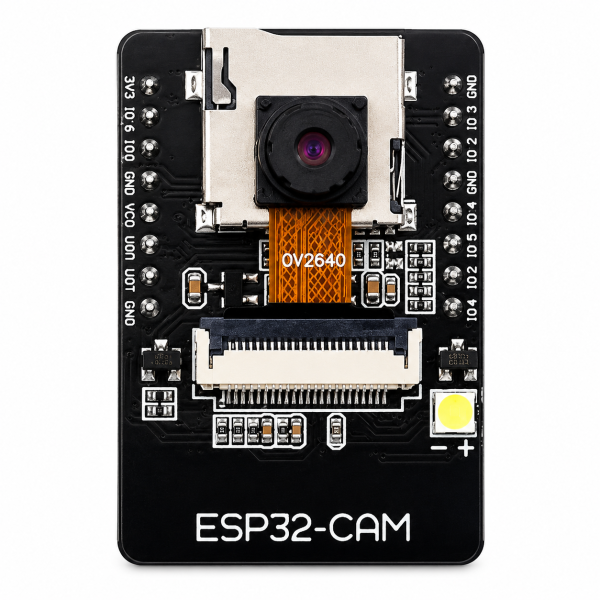
ESP32-CAM OV2640
متوفر

3.3V Adapter Board for NRF24L01 Module
متوفر
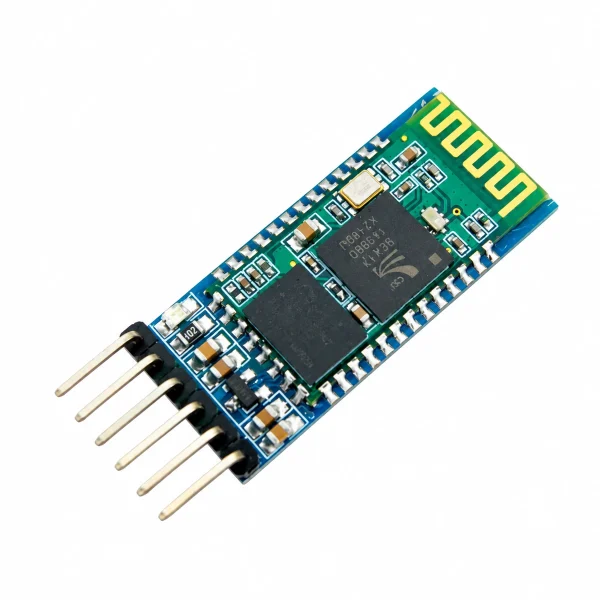
Bluetooth Module HC-05 , Serial TTL 6PIN
متوفر
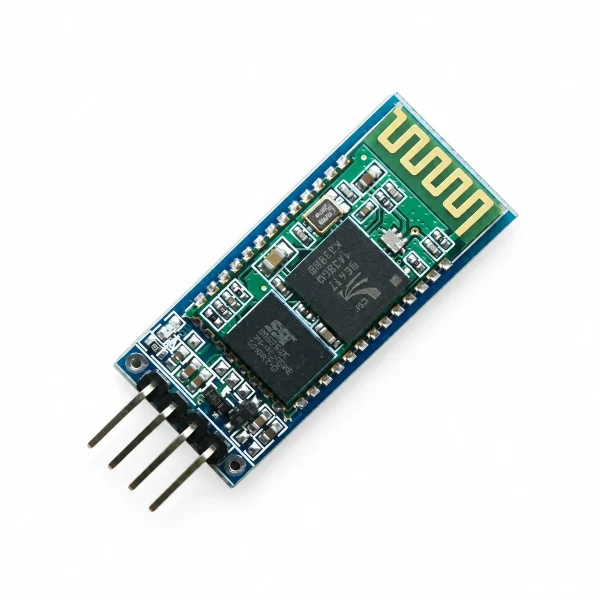
Bluetooth Module HC-06 , Serial TTL 4PIN
متوفر
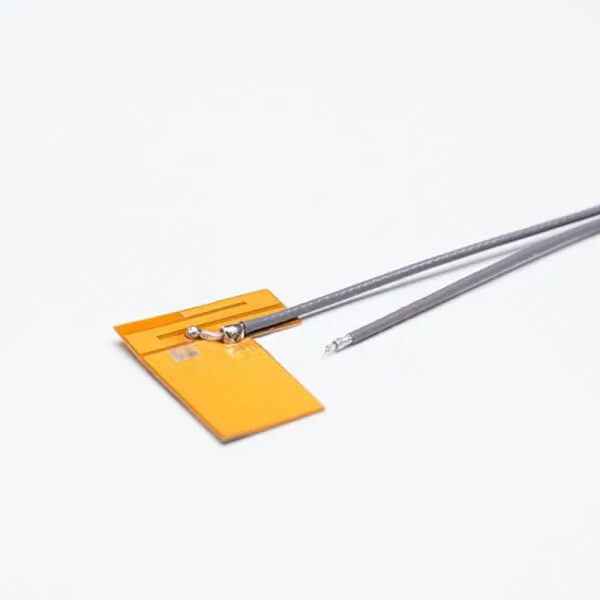
FPC 2.4G WIFI Antenna With Cable And IPX-1 Connector
متوفر
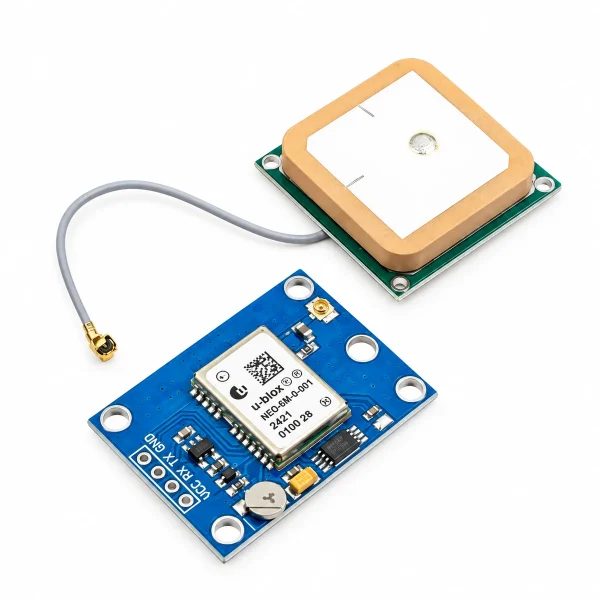
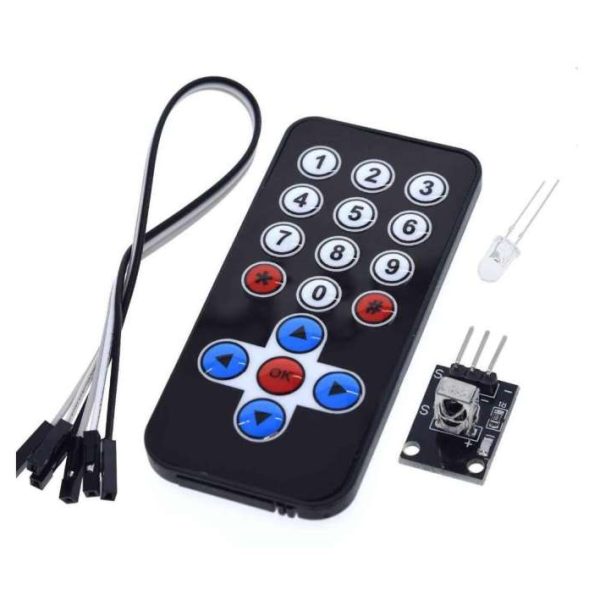

MCP2515 CAN Bus Controller
متوفر
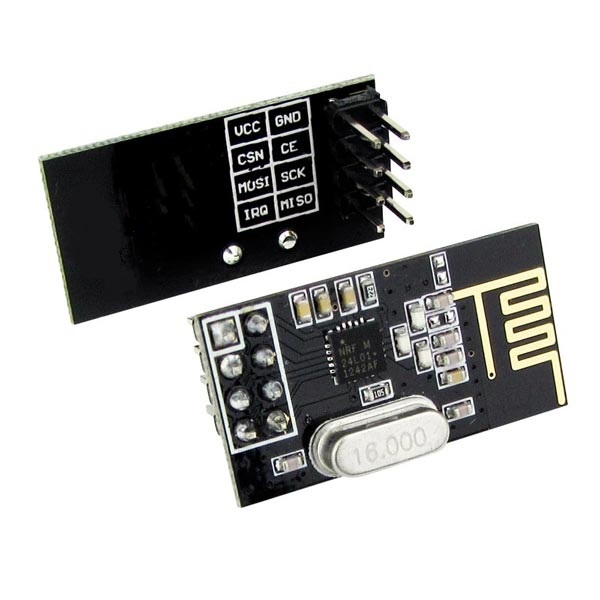
NRF24L01+ 2.4GHz RF Transceiver Module
متوفر
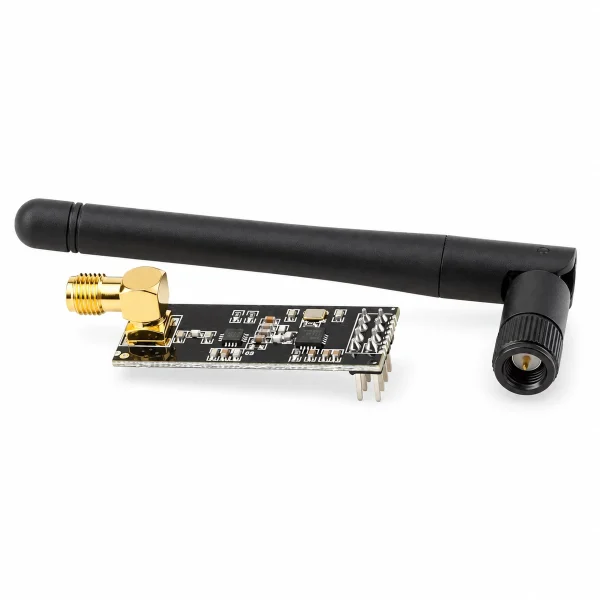
NRF24L01 Wireless Module With Antenna
متوفر
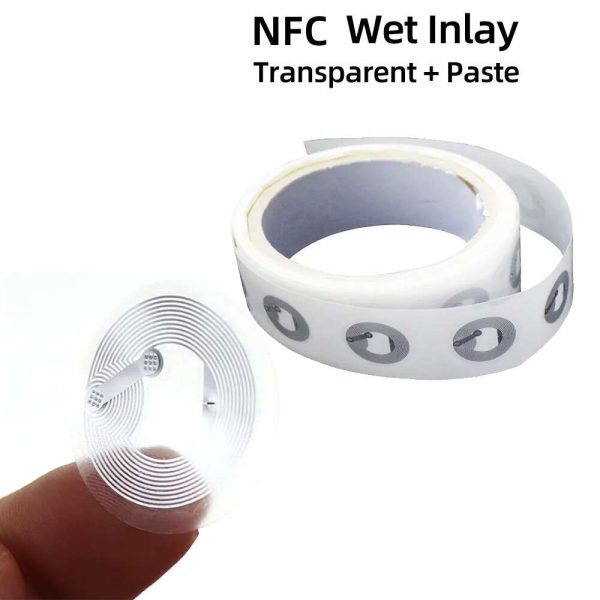
NTAG213 Round Inlay NFC Sticker 13.56 MHz 25mm (5 Pcs)
متوفر
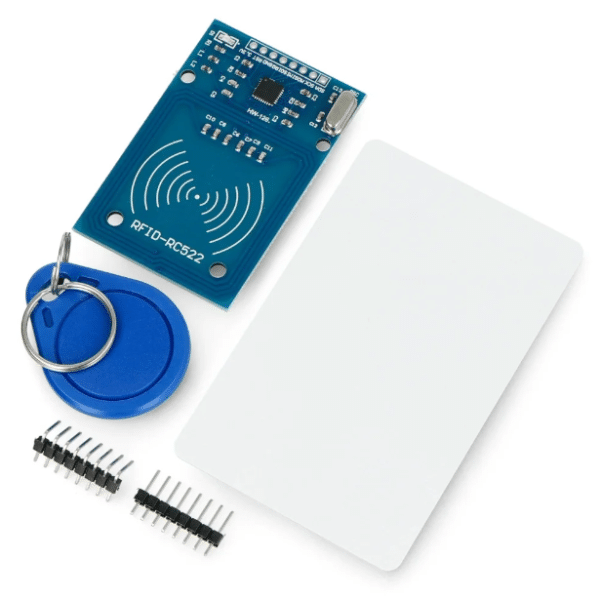
RFID module 13.56 MHz Card Reader MFRC522 Reader/Writer
متوفر
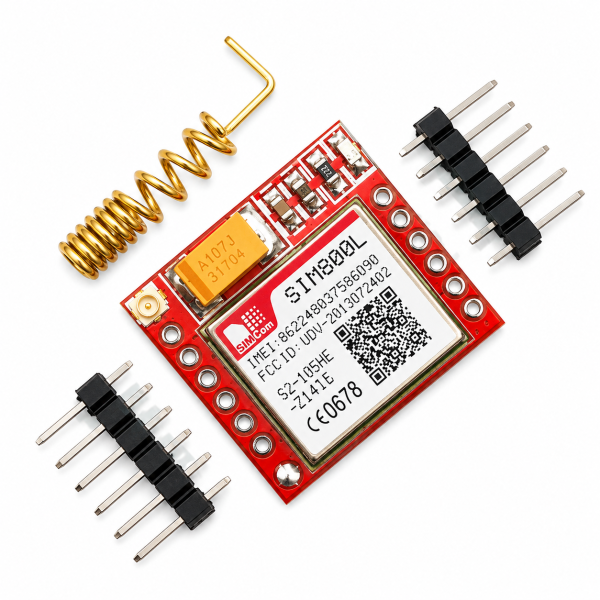
SIM800L GSM GPRS Module Board for Arduino Raspberry PI
متوفر
Soldering Spring Antenna 433MHz 2dbi 0.6x5x28mm
متوفر

Ublox NEO-6M GPS Module HW-539A11
متوفر

الآراء
Clear filtersلسه مفيش تقييمات.